Most solar water heaters run quietly for years. You forget they're there until the shower goes lukewarm on a bright afternoon, and then you start wondering what's going on up on the roof. Some problems can wait a few weeks. Others get worse by the day. This post covers the signs that tell you to call sooner rather than later, plus what you can safely do while you wait for our team to get to you.
Hot water that drops off on sunny days
A solar water heater should deliver its best water on clear, warm days. If you've noticed the water runs cool even when the collectors look like they're soaking up plenty of sun, that's a real signal. Cloudy weather explains a slow day here and there. A steady pattern over a week or two does not.
Start by checking whether the backup heater is kicking on. If your gas or electric backup runs far more than usual, the solar side is probably not producing the heat it should. Write down the dates you noticed the drop. That history helps a solar specialist narrow things down fast when you call.
Another easy check is the temperature at the tap. Run hot water for a minute, then feel it with your hand. Lukewarm water that never reaches the temperature you expect is worth reporting even if the system still seems to work.
Leaks, drips, and rust around the tank
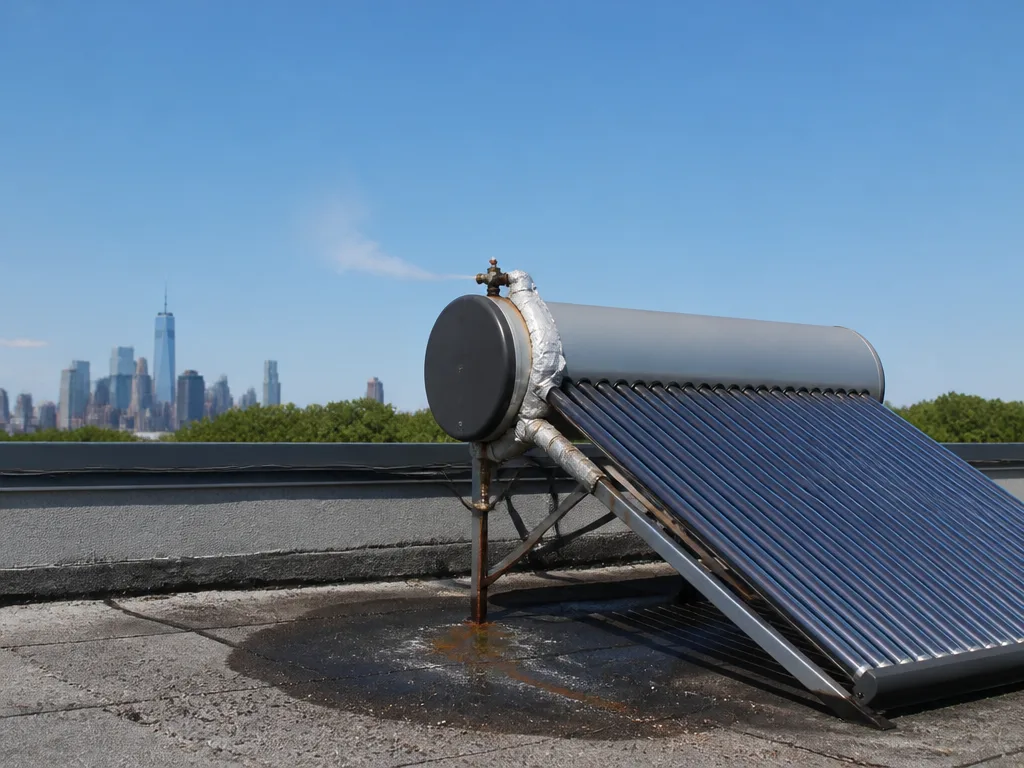
Water on the floor near the storage tank is never a small thing. Look for dampness at the base, drips coming from the pressure relief valve, or a wet patch under the insulation. A slow drip from the relief valve sometimes means pressure is building in the tank, and that needs attention.
Rust stains or flaking metal around fittings also deserve a call. Corrosion usually shows up slowly, but once water starts escaping, it can soak into drywall, subflooring, or the ceiling below. If you see a leak, shut off the cold water supply feeding the tank using its isolation valve. That stops more water from coming in while you wait.
Sounds and smells that point to trouble
- Popping, rumbling, or banging when the tank heats up. This often means sediment has built up at the bottom and is trapped under hot water.
- A rotten egg smell from the hot tap. This can come from bacteria reacting with the anode rod, and it is worth having checked rather than ignored.
- Water that looks cloudy, rusty, or discolored right after it leaves the tank.
- A hissing sound near the roof or the tank, which can point to a pressure or valve issue.
None of these should send you climbing onto the roof. Describe what you hear to the person who answers the phone. Be specific about when the noise happens, like only during a heating cycle or every morning. Good details help us prepare before anyone shows up.
Problems you can see from the ground
You don't need a ladder to spot some warning signs. Stand back and look at the collectors on the roof. Cracked or fogged glass, a tilted panel, or a gap where the mounting hardware meets the roofing material all matter. A storm can loosen mounts without leaving obvious damage, so look after strong wind or hail.
Check the controller or display unit inside the home too. Error codes, blinking lights, or a pump indicator that stays off during daylight hours are all useful to report. Take a photo with your phone so you can describe exactly what the screen shows. Keep that photo handy when you call.
Freezing weather and closed-loop systems
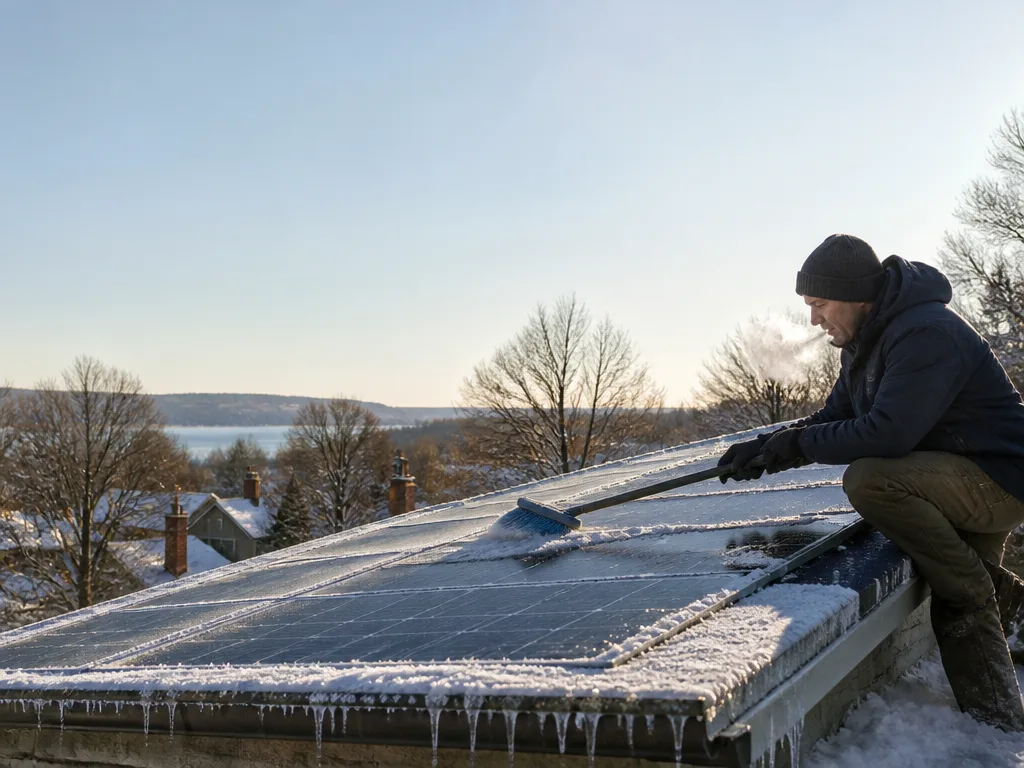
If you live where temperatures drop hard in winter, watch for a system that stops producing heat during cold snaps. Some setups use a closed loop with a heat-transfer fluid. A drop in fluid pressure, a puddle near the loop components, or a pump that sounds stuck can all mean the fluid is leaking or the system is not circulating. Don't open fittings or try to top off the fluid yourself. Leave the loop alone and make the call.
What to do while you wait for help
Waiting is the hard part. A few simple steps keep the situation under control until a solar specialist can look at it. First, if the water is scalding, lower the thermostat on the tank, but only if you can reach it without standing in water. Second, if you see water near an electrical panel, outlet, or wiring, shut off power to the heater at the breaker and keep everyone clear of the area.
Third, keep a simple log. Note the date of each symptom, what you saw or heard, and whether the backup heater ran. Fourth, if you have a leak, place towels, a bucket, or a shallow tray under the drip and move anything valuable out of the way. Last, avoid running heavy hot water loads like long showers or the dishwasher on repeat until the system has been checked. That slows the tank from draining while you wait.
How to reach us and what to expect on the phone
Solar Installation handles solar water heating calls through the phone line, and that is the best way to get started. Call and tell the person what you're seeing, when it started, and whether you've already shut off water or power. Those details help our team plan the visit.
Scheduling depends on the time of year and how busy the crews are, but we work to get you on the calendar in the same week whenever we can. Our local crews are spread across the country, so the team that answers your call knows how to route the job to the nearest solar specialists for your area.
Solar water heaters are built to last, and most of the warning signs above are easy to catch early. Keep an eye on hot water performance, listen for changes, and treat any leak as urgent. Call us when something feels off, even if you aren't sure it's serious. A quick conversation now can save you a lot of mess and wasted energy later.