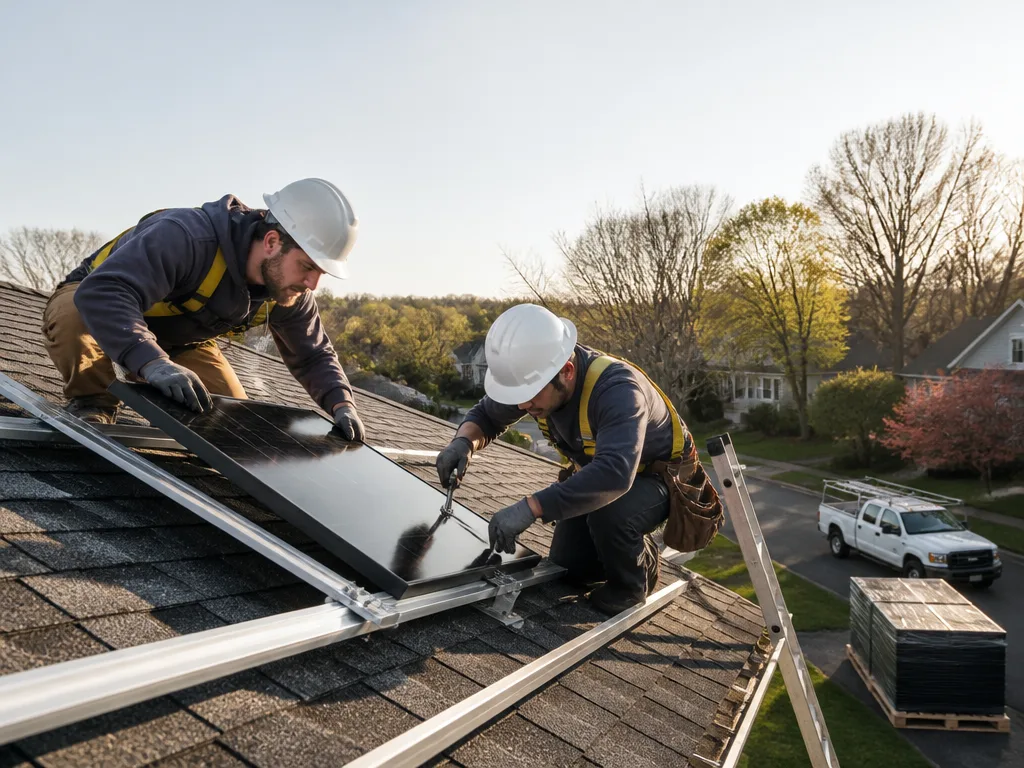
The install day is exciting. The crew hooks everything up, the inverter lights come on, and the first few weeks of production look great. Then life gets busy, the app goes unopened, and nobody thinks about the roof again until the power bill arrives looking strange. Solar Installation puts the same care into the months after the install that we put into the install itself, because a well-built system only pays off if it keeps performing. Here is what we tell homeowners across the United States who want their results to last.
What keeping the results really means
A solar system doesn't wear out overnight. Panels lose a small amount of efficiency each year, which is normal and expected. The problems we see come from something else: a loose connection, a shaded string, a monitoring app that quietly stopped reporting, or a pile of leaves sitting in one corner of the array. Those issues can cost you real production for months before anyone notices.
So the goal is simple. You want to catch small changes early, before they turn into a bill you didn't expect. That takes a little routine, not a lot of effort, and most of it happens from the ground or from your kitchen table.
Your system was designed for your roof, your sun exposure, and your household's usage. If any of those change, the numbers will change with them. Keeping track of the baseline is the first habit to build.
Check your production every month
Every system includes a monitoring app or web portal. Open it once a month and look at total production for the period. Compare it to the same month last year if you have that history, or to the rough estimate your installer gave you at the start. Weather will cause swings, so don't panic over one cloudy week.
What you're really looking for is a pattern. If a sunny month comes in noticeably lower than the one before it, something may have changed. Write the number down. A simple note on your phone works fine.
Watch for drops that last more than a few days
A single bad day usually means weather. A drop that holds steady across a sunny stretch deserves a closer look. Check whether one panel or one section of the array shows a flat line during the midday hours while its neighbors climb. That pattern often points to shade, a failed panel, or a wiring issue that needs a solar specialist.
Also check for alerts. Many monitoring platforms send messages about communication loss, grid faults, or inverter errors. Those messages are easy to ignore, and they are often the earliest warning you'll get.
Keep the panels clean without damaging them
Most homes don't need frequent cleaning. Rain does a decent job on a tilted array, and the panels are designed to shed a fair amount of dust. Where dirt does build up, though, it can cut output in a way you'll notice on the monitoring screen. Pollen seasons, dusty roads, and bird activity are the usual culprits.
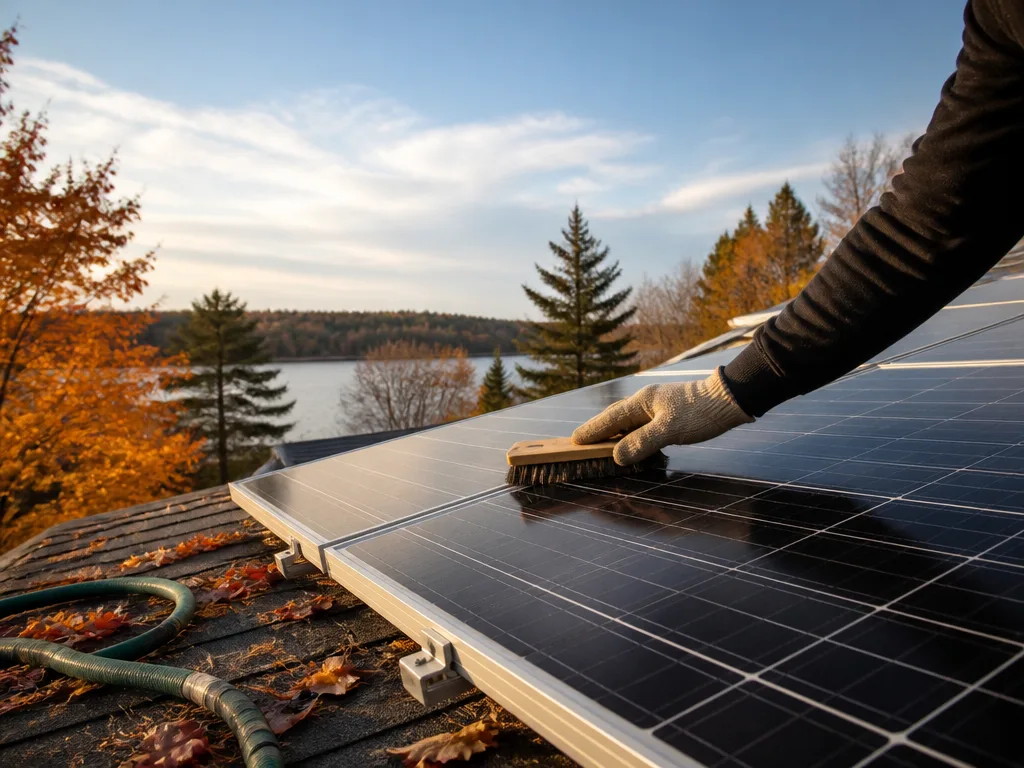
If you decide to clean the panels yourself, stick to a few basics. Use a soft brush or a sponge with plain water. Skip harsh chemicals, pressure washers, and abrasive pads, since they can scratch the glass and leave residue that traps more dirt. Work on a cool morning or evening so the water doesn't dry in streaks.
Please don't walk on the panels, and don't climb onto the roof without fall protection and the right footing. A surprising number of problems start with someone trying to save a trip. If you can't reach a section safely, call a solar specialist instead.
Protect the array from shade, debris, and growth
Shade is the quiet thief of solar production. A branch that was too small to matter at installation can grow into a real problem within a few years. Walk your property once or twice a year and look at the sun path from the array's perspective. Trim branches that have crept toward the panels, especially on the south or west side in the northern hemisphere where most of the production happens.
Debris matters too. Leaves, pine needles, and seed pods can collect in the gap between the panels and the roof surface. Clear the area where you can do it safely from the ground or from a ladder placed on stable footing. Gutters that overflow onto the array are worth fixing as well.
New structures deserve a thought before you build them. A fence, a shed, or a tall tree planted near the roofline can shade parts of the array at specific times of day. You may not want to give up your plans, but it helps to know the production impact before you start.
Look after the inverter and wiring
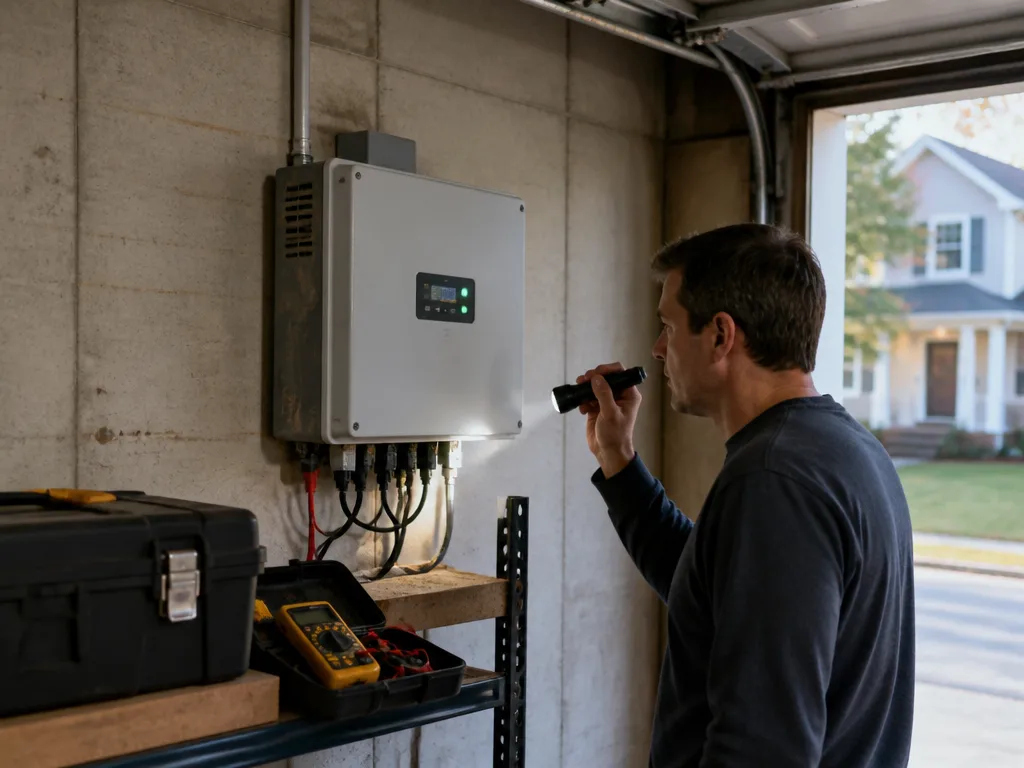
The inverter converts the panels' direct current into the alternating current your home uses. It runs quietly, which is why most homeowners forget about it. Keep it accessible, out of direct sun when possible, and clear of stored items that block airflow. Heat is one of the main reasons inverters lose performance over time.
Wiring and connections are the other part of the system that rarely gets a second look. Here is a short checklist we give homeowners to keep handy:
- Check the inverter display or app for any error codes, and write them down before calling anyone.
- Look for visible damage on conduit, junction boxes, or cable jackets, especially after a severe storm.
- Notice any burning smell, buzzing, or discoloration near the equipment and turn your attention to it right away.
- Keep the disconnect and breaker labels readable so emergency responders and your crew can find them fast.
- Note the date of any battery or inverter firmware update so you can track changes in performance later.
If anything on that list looks wrong, don't try to open the equipment yourself. Solar components carry real electrical risk, even when the system seems off. A solar specialist can check it safely.
Plan for weather and seasonal changes
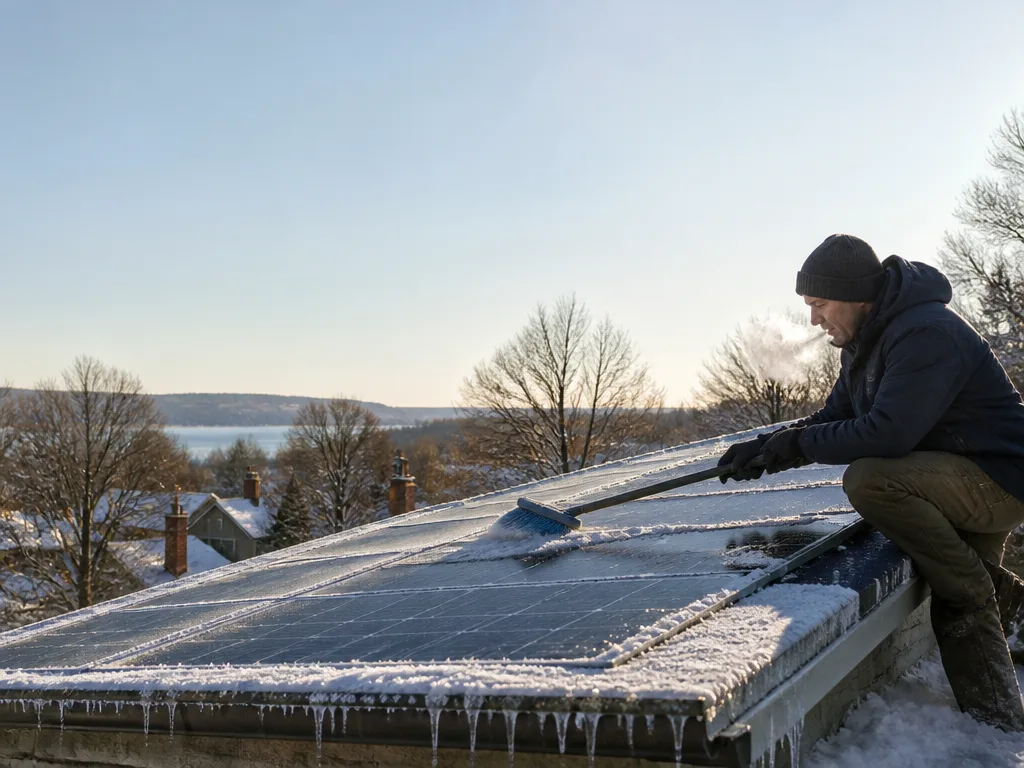
Storms are part of life in every region we serve, and they can affect a solar system in ways that aren't obvious right away. Hail can crack glass. High winds can loosen mounting hardware. Heavy snow can cover the array for days. After any significant storm, take a few minutes to walk the property, look at the array from a safe vantage point, and check the monitoring app for changes.
Seasonal shifts matter too. Production naturally drops in winter and rises in summer, so compare each month to the same month from the year before instead of the month right before it. That habit keeps you from chasing a problem that doesn't exist.
When to call a solar specialist
Some problems belong to a professional. Call a solar specialist when you see a persistent drop in production that you can't explain, when the inverter shows errors that repeat after a reset, when you notice physical damage to panels or wiring, or when a storm leaves anything in question. A quick phone call can save you weeks of lost output and keep small issues from becoming expensive ones.
When you call, have your monitoring data ready. Note the date the problem started, the production numbers before and after, and any error codes on the inverter screen. That information helps a solar specialist come prepared and makes the conversation faster for everyone.
Keeping your solar results strong is mostly a matter of paying steady, light attention. Check the numbers, keep the array clear, watch for shade, and treat unusual readings as useful information rather than noise. For help with anything on this list, call Solar Installation and our team will point you in the right direction, wherever you are in the country.